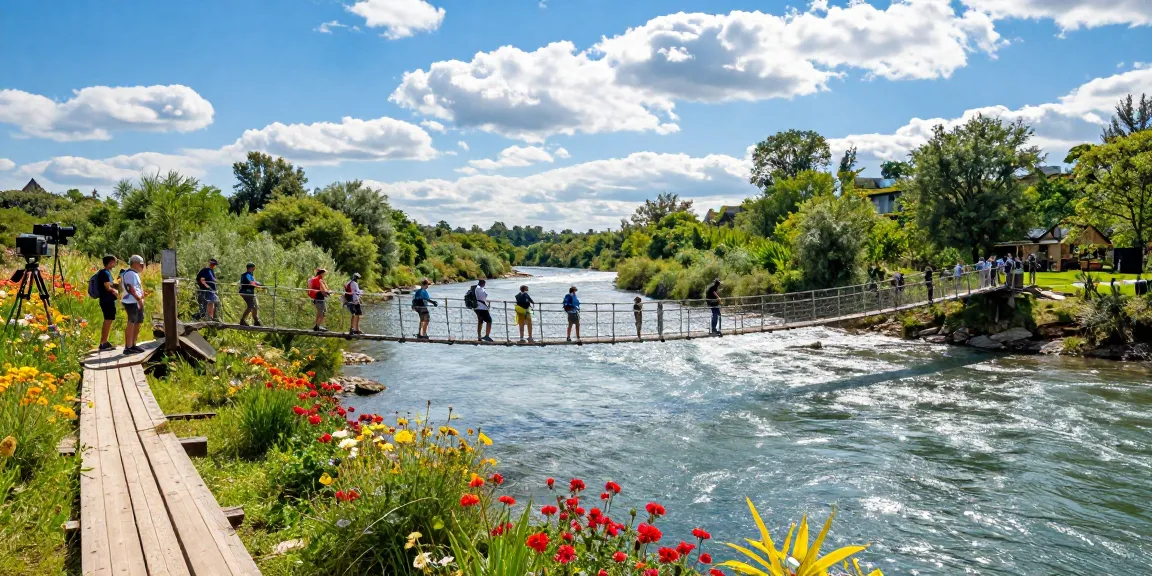
Understanding River Rope Bridges
River rope bridges have long captivated adventurers and nature enthusiasts alike. These unique structures, which span across bodies of water, are not only functional but also enhance the scenic beauty of their surroundings. Whether you’re planning to build your own or simply wish to understand their significance, grasping the essentials of river rope bridges is crucial. When exploring options, River Rope Bridge helps you discover innovative models and construction tips tailored to your project.
What is a River Rope Bridge?
A river rope bridge is a type of suspension bridge made primarily from ropes and planks. They are designed to allow pedestrians to traverse across rivers or other chasms safely. Typically constructed from natural fibrous materials, such as hemp or jute, modern variations also incorporate synthetic ropes to enhance stability and durability. These bridges can vary in design, complexity, and intended use, but all share the common goal of providing a safe crossing point.
History and Evolution of Rope Bridges
The origins of rope bridges date back thousands of years. Ancient civilisations, particularly those in mountainous regions, utilised locally sourced materials to create these ingenious structures. The Qeswachaka rope bridge in Peru, made from grass, exemplifies traditional techniques that have been passed down through generations. As rope bridge construction evolved, communities began using stronger materials, leading to the development of modern robust designs capable of carrying heavier loads.
Common Uses and Applications
- Tourism and Recreational Use: Many breathtaking landscapes feature rope bridges as tourist attractions, providing access to viewpoints or hiking trails.
- Emergency Rescue: In challenging terrains, these bridges are crucial for emergency services accessing remote areas.
- Community Connectivity: In rural settings, they serve as vital links between communities separated by rivers.
- Adventure Activities: Rope bridges are popular in adventure parks and outdoor recreational spaces, offering thrilling experiences for participants.
Types of River Rope Bridges
Simple versus Complex Designs
When considering types of river rope bridges, it’s essential to distinguish between simple and complex designs. Simple rope bridges, often involving just two cables and a deck, are easier to construct and maintain. In contrast, complex designs may include multiple cables and intricate support systems, allowing for greater load capacity and durability. The choice largely depends on the intended use and environmental conditions.
Materials Used in Construction
The materials used in constructing a river rope bridge directly impact its strength and lifespan. Traditionally, natural ropes made from jute or sisal have been used, but modern constructions frequently utilise synthetic materials such as nylon or polyester, which offer greater resistance to weathering and wear. The decking material also varies, with wood being a popular choice for aesthetic appeal, while metal or composite materials are favoured for durability.
Choosing the Right Type for Your Needs
When selecting a river rope bridge, it’s important to assess your specific requirements. Factors to consider include load capacity, expected foot traffic, environmental conditions, and aesthetic preferences. Engaging with professional builders or using comprehensive resources can provide necessary guidance to help ensure you make an informed decision.
Building a River Rope Bridge: Key Considerations
Safety Standards and Regulations
Safety should always be the top priority when constructing a river rope bridge. Adherence to local building codes and regulations is crucial. These may vary based on location but generally include standards related to the structural integrity, load capacity, and installation techniques used. Consulting with engineers familiar with bridge construction can help you navigate these requirements effectively.
Environmental Impact Assessment
Before commencing your construction project, conducting an environmental impact assessment is essential. This includes evaluating potential repercussions on local wildlife, vegetation, and water quality. Minimising disruption to the ecosystem not only preserves the area's natural beauty but also ensures compliance with environmental regulations.
Cost Breakdown: Budgeting for Your Project
Building a river rope bridge involves various costs, including materials, labour, and permits. A rough estimate can serve as a starting point; however, the final cost will depend on factors like the size of the bridge, materials chosen, and complexity of the design. It's advisable to gather multiple quotes from contractors to ensure you're getting the best value for your investment.
Maintenance and Safety of River Rope Bridges
Regular Inspection Protocols
Routine inspections are vital for ensuring the safety and longevity of a river rope bridge. Inspections should focus on the condition of the ropes, decking, and any supporting structures. It’s recommended to perform these inspections at least twice a year and after major weather events to catch any potential issues early.
Repairs and Upgrades
Over time, natural wear and tear can affect the integrity of a river rope bridge. Prompt repairs are essential to maintain safety standards. Upgrading materials, such as replacing worn ropes or adding reinforcement, can extend the lifespan of the structure and enhance its performance. Consulting with a specialist for repairs can ensure that all work is conducted safely and effectively.
Best Practices for User Safety
Educating users about the proper use of the bridge is critical for safety. This includes establishing weight limits, restricting the number of people on the bridge at any one time, and providing clear signage outlining safe crossing procedures. Regularly updating users on maintenance activities and any changes in policy will further enhance safety.
Future Trends in River Rope Bridges
Innovative Designs for 2026 and Beyond
The future of river rope bridges is poised for innovation, with designers exploring new aesthetics and functional elements. Combining traditional design with modern technology may yield bridges that are not only stronger but also more visually appealing, enhancing the natural landscape.
Technological Advancements in Materials
Emerging materials technology offers exciting possibilities for the construction of river rope bridges. High-tenacity synthetic ropes, smart materials that can self-repair, and environmentally friendly composites are all under consideration for future designs. Such advancements promise to improve safety, reduce maintenance needs, and increase the sustainability of these structures.
Sustainability Practices in Construction
As sustainability becomes a critical focus in construction, eco-friendly practices are being integrated into river rope bridge projects. This includes sourcing materials locally, utilising recycled components, and employing construction practices that minimise environmental disruption. Such approaches not only benefit the environment but can also enhance the bridge's appeal to eco-conscious users.
How to Cross a River with a Rope?
Crossing a river using a rope can be an effective method in certain scenarios. The technique involves securing a sturdy rope parallel to the riverbank and using it as support while crossing. This method requires training, as improper usage can lead to accidents, especially in fast-moving waters. For safety, always ensure the rope is well anchored and follow guidance from experienced personnel.
What are those rope bridges called?
Rope bridges can be referred to by various names, including suspension bridges, swaying bridges, or simply rope bridges. While the terminology may vary, they all serve the same basic function of providing safe passage across gaps or bodies of water.
Where is the rope bridge located?
There are numerous famous rope bridges around the world, including the Carrick-a-Rede Rope Bridge in Northern Ireland and various traditional rope bridges in regions such as Peru and Bhutan. Each bridge has its unique charm and historical significance, often drawing visitors from afar.