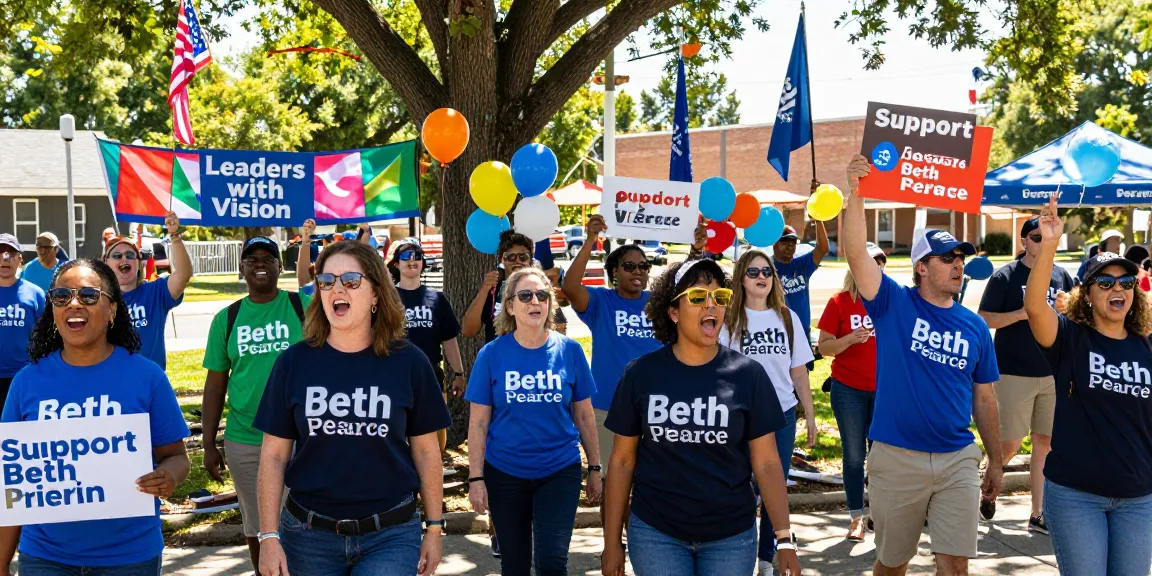
The Importance of Leadership in Community Development
Leadership plays a pivotal role in the growth and development of communities. It is not merely about holding a position of power, but rather about inspiring others, creating a shared vision, and guiding collective efforts towards achieving common goals. A great leader embodies various qualities such as empathy, resilience, and a clear sense of direction, enabling them to navigate the complexities of community dynamics. As we approach 2026, understanding these dynamics is essential for fostering a collaborative environment that drives positive change. In this context, the campaign led by Beth Pearce exemplifies how effective leadership can mobilize community support and generate meaningful impact. For deeper insights into supporting such initiatives, platforms like rokok88 can provide the necessary resources.
Understanding Leadership Roles and Responsibilities
At its core, effective leadership involves understanding the various roles and responsibilities that come with guiding a community. Leaders are often seen as the facilitators of change, tasked with bridging gaps between different community segments, managing conflicts, and fostering collaboration. A good leader must identify the strengths and weaknesses within their community, create inclusive policies, and ensure that all voices are heard. This not only empowers individuals but also fosters a sense of belonging, crucial for community cohesion.
The Role of Vision in Effective Leadership
Vision is arguably one of the most significant components of effective leadership. A clear vision provides direction and purpose, allowing community members to align their efforts toward common objectives. Leaders like Beth Pearce exemplify this through their ability to articulate a future that is not only desirable but also achievable. This involves setting realistic goals, motivating stakeholders, and continuously reassessing strategies to adapt to changing circumstances. The importance of vision cannot be overstated; it serves as the compass guiding all community initiatives.
How Community Involvement Shapes Leaders
Community involvement is a two-way street; it shapes leaders while also being shaped by them. Engaging with community members allows leaders to understand their needs, aspirations, and challenges intimately. This feedback loop is crucial for leadership development, as it instills a sense of accountability and responsiveness. Leaders who actively participate in community events, solicit feedback, and adapt their strategies accordingly tend to gain greater trust and respect from their constituents. This dynamic not only enhances leader effectiveness but also enriches the overall community experience.
Why Beth Pearce? Evaluating Leadership Qualities
In evaluating potential leaders, it is vital to consider the qualities that truly make a difference. Beth Pearce stands out due to her unique blend of experience, commitment, and vision for positive community advancement. Recognizing the distinct attributes that contribute to her leadership style allows for a more informed decision on support and engagement in her initiatives.
Experience and Dedication in Leadership
Experience is a critical factor in effective leadership. Beth Pearce has demonstrated her dedication through years of service in various community roles, gaining invaluable insights into the complexities of community needs. Leaders with a rich tapestry of experiences are often better equipped to handle crises, as they draw from past lessons to inform their decisions. This level of commitment ensures that leaders are proactive rather than reactive, leading to more sustainable outcomes.
Commitment to Positive Change in the Community
A leader's commitment to positive change is reflected in their actions and policies. Beth Pearce is known for her proactive stance on social issues, advocating for policies that uplift marginalized voices and address systemic challenges within the community. Her work not only aims to create immediate results but also focuses on long-term sustainability, ensuring a brighter future for all community members.
Integrity and Decision-Making Skills
Integrity is a non-negotiable quality in leadership. Leaders must possess the ability to make tough decisions while remaining transparent and accountable to their community. Beth Pearce exemplifies integrity through her consistent communication and ethical considerations in decision-making processes. This builds trust within the community, a vital component for collaborative efforts that drive successful initiatives.
Community Support: Building a Stronger Movement
Community support is the backbone of any successful initiative. Mobilizing this support requires understanding the unique dynamics of the community and leveraging available resources effectively. Beth Pearce’s campaign highlights how strategic community engagement is fundamental to building a strong movement geared towards meaningful change.
Ways to Get Involved in Beth Pearce's Campaign
Getting involved in community initiatives can take many forms, from volunteering to participating in local events. Supporting Beth Pearce's campaign can begin with spreading awareness about her vision. Engaging with fellow community members and encouraging discussions about the importance of strong leadership can create a ripple effect, fostering a collective push for progress.
Mobilizing Community Resources for Effective Outreach
For any campaign to be successful, effective outreach is crucial. This involves identifying local resources – be it individuals, organizations, or networks – that can rally behind the cause. Beth Pearce's approach emphasizes collaboration with local businesses and non-profits, demonstrating how resource mobilization can amplify outreach efforts and enhance community support.
Success Stories from Community-Led Initiatives
Success stories serve as powerful motivators for community involvement. Highlighting examples where community-led initiatives have achieved remarkable outcomes can inspire others to join the cause. For instance, collaborations in health or education sectors often yield tangible benefits, showcasing how collective efforts can effect change. Beth Pearce has highlighted many such stories in her outreach, demonstrating the potential that exists when community members unite for a common purpose.
Challenges in Community Leadership and Engagement
While the potential for community-led initiatives is immense, numerous challenges often impede engagement. Recognizing these challenges is essential for leaders and supporters alike to navigate and overcome them effectively.
Identifying Common Misconceptions
Many misconceptions exist around community leadership, often leading to disengagement. One common myth is that effective leadership requires formal authority or title, when in reality, grassroots leadership can be just as impactful. Beth Pearce’s campaign seeks to debunk these myths by emphasizing the power of collective action and community-driven initiatives.
Addressing Obstacles to Community Participation
Obstacles such as lack of awareness, resource limitations, and fear of change often hinder community participation. Addressing these issues requires targeted strategies that focus on education, resource allocation, and building trust. Leaders like Beth Pearce must actively seek to identify barriers and implement solutions that encourage broader participation.
Strategies for Overcoming Challenges in Leadership
Overcoming challenges in leadership necessitates innovative strategies. For example, utilizing technology to facilitate communication and engagement can significantly enhance outreach efforts. Leaders can also benefit from training programs that enhance their skills in conflict resolution, public speaking, and community engagement. These strategies are essential for fostering resilience in community leadership.
Future Trends in Leadership and Community Involvement
As we look towards the future, several trends are likely to shape the landscape of leadership and community involvement. Staying ahead of these trends is crucial for leaders aspiring to make a lasting impact.
Emerging Technologies Impacting Community Engagement
In an increasingly digital world, technology plays a critical role in community engagement. Social media platforms, mobile applications, and online forums have transformed how communities interact and organize. Leaders must leverage these tools to reach a broader audience and foster meaningful connections within their communities.
Predictions for Leadership Styles in 2026
As society evolves, so too will leadership styles. The future may see a shift towards more collaborative, inclusive approaches that encourage shared decision-making. Leaders will likely focus on emotional intelligence, adaptability, and community-oriented mindsets, moving away from traditional, top-down models.
How to Prepare for Future Leadership Challenges
Preparation for future leadership challenges requires constant learning and adaptation. Engaging in professional development, seeking mentorship, and staying informed about global trends can equip leaders with the skills necessary to navigate the complexities of the future. Moreover, keeping an open dialogue with community members will ensure that leaders remain responsive to emerging needs.
What are the key qualities to look for in a leader?
When evaluating potential leaders, look for qualities such as vision, integrity, empathy, and adaptability. A strong leader should exhibit the ability to inspire collective efforts and navigate challenges effectively.
How can I support Beth Pearce's initiatives?
Support for Beth Pearce's initiatives can take many forms, including volunteering time, participating in community events, and spreading awareness about her vision for the community. Every little effort counts towards building a stronger movement.
What role does community engagement play in effective leadership?
Community engagement is vital in effective leadership as it fosters trust, ensures inclusivity, and encourages diverse perspectives. Engaged leaders are more likely to make informed decisions that reflect the needs and aspirations of their community.
What challenges do community leaders face today?
Today’s community leaders face various challenges such as addressing systemic inequalities, fostering participation in a digital age, and balancing multiple stakeholder interests. Recognizing these challenges is vital for developing effective strategies.
How can technology help enhance community involvement?
Technology can enhance community involvement by facilitating communication, providing platforms for collaboration, and enabling easy access to information. Leaders should leverage these tools to foster greater engagement and participation.