Understanding the Pizza Industry Slot
The pizza industry is an ever-evolving landscape, characterized by shifting trends, consumer preferences, and operational challenges. As we approach 2026, understanding the current slot in the market is crucial for pizza restaurants aiming to stay competitive. In this article, we will explore the current market dynamics, key trends shaping pizza styles, consumer insights, and effective strategies for overcoming common challenges in pizza production.
What Is the Current Slot in the Pizza Market?
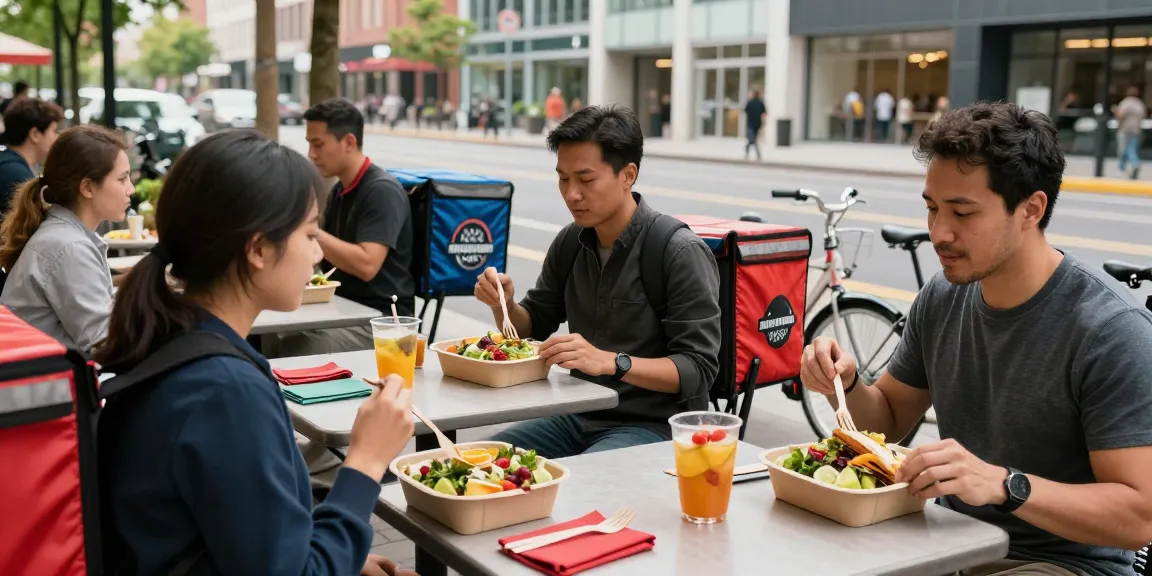
The pizza market has grown significantly, with an estimated value projected to surpass $45 billion by 2026. The expansion of delivery services and the rise in food tech solutions have played pivotal roles in this growth. Understanding the market slot involves analyzing both the consumer base and emerging competition. A significant number of consumers now prefer convenience, leading to an increase in delivery and ready-to-eat options, which are essential for restaurants to consider when devising their menus and service strategies.
Key Trends Influencing Pizza Styles and Preferences
Several key trends are currently influencing pizza styles and consumer preferences, notably:
- Health-Conscious Choices: As consumers become more health-conscious, there is a growing demand for gluten-free, whole-grain, and low-calorie options. Restaurants are responding by including healthier ingredients and providing nutritional information.
- Artisan and Gourmet Pizzas: Consumers are increasingly seeking unique flavor profiles, leading to a rise in artisan and gourmet pizzas. This trend encourages chefs to experiment with unconventional toppings and cooking techniques.
- Vegan and Plant-Based Options: The rise of veganism and plant-based diets has prompted many restaurants to expand their offerings, catering to a broader audience with pizzas that feature plant-based cheeses and meats.
Consumer Insights: What Do Pizza Lovers Really Want?
Understanding consumer preferences is vital for pizza restaurants. Recent surveys indicate that customers value quality ingredients and flavor above all else. In addition, there is an increasing desire for transparency regarding ingredient sourcing. Many pizza lovers also appreciate the flexibility of customizations, where they can choose their toppings and crust types, indicating a shift towards personal experience in dining. Online ordering ease and contactless delivery are also top priorities for modern consumers, and restaurants must adapt to these expectations to remain relevant.
Overcoming Common Challenges in Pizza Production
While the pizza industry presents numerous opportunities, it is not without challenges. From ingredient supply chain issues to maintaining quality during peak hours, here we examine common hurdles and effective solutions.
Addressing Ingredient Supply Chain Issues
Supply chain disruptions have significantly affected the availability and cost of ingredients, leading to operational strain for pizza restaurants. To mitigate these challenges, establishments can build strong relationships with multiple suppliers, ensuring a backup plan in case of shortages. Additionally, local sourcing of ingredients can enhance community support and reduce dependency on external suppliers, ultimately leading to fresher pizzas.
Effective Techniques for Dough Consistency
Creating the perfect pizza dough involves precise measurements and consistent techniques. Successful pizza restaurants often invest in dough mixers and temperature-controlled storage to ensure that their dough maintains a consistent quality. A focus on fermentation practices can also improve flavor and texture, which is crucial for customer satisfaction.
Ensuring Quality Control During Busy Hours
Maintaining quality during peak business hours can be a significant challenge. Implementing an organized workflow and training staff on efficient preparation techniques can enhance productivity without sacrificing quality. Establishing a quality assurance protocol, where pizzas are checked before they leave the kitchen, can help uphold standards even during rush periods.
Innovative Techniques for Enhancing Pizza Offerings
To stand out in a crowded market, pizza restaurants must continually innovate their offerings. Here are several techniques to enhance restaurant menus and attract more customers:
Incorporating Unique Ingredients and Flavors
Introducing unique ingredients can excite customers and differentiate a restaurant from competitors. Options such as truffle oil, unique cheeses, and locally sourced vegetables can create signature dishes that patrons will seek out. Seasonal ingredients can also promote limited-time offerings, enticing repeat visits.
Leveraging Technology in Ordering and Delivery
The integration of technology can streamline operations and improve customer experiences. Online ordering systems, mobile apps, and GPS-enabled delivery tracking are essential tools that meet modern consumer expectations. Implementing these technologies can enhance customer engagement and facilitate smoother operations.
Creating Seasonal Menus That Attract Customers
Seasonal menus allow restaurants to leverage the time of year to create special promotions that attract customers. For instance, incorporating festive flavors during the holiday season or fresh ingredients available in summer can excite and entice the clientele. Marketing these seasonal offerings can create a sense of urgency and exclusivity.
Marketing Strategies for Pizza Restaurants
To thrive in the competitive pizza industry, effective marketing strategies are essential. Below are several approaches that can help drive customer engagement and sales:
Effective Social Media Campaigns for Engagement
Social media platforms play a crucial role in marketing for pizza businesses. Sharing visually appealing images of pizzas and engaging posts about specials or behind-the-scenes content can enhance customer loyalty. Additionally, running contests or giveaways can increase followers and generate buzz around the brand.
Utilizing Local Collaborations to Increase Visibility
Partnering with local businesses can amplify visibility for pizza restaurants. Collaborations can range from co-hosted events to ingredient sourcing, fostering community ties and expanding customer reach. Establishing partnerships with local breweries or farmers markets can also enhance menu offerings.
Promotions That Drive Repeat Sales
Building a loyal customer base can be supported by effectively structured promotions. Loyalty programs, where customers earn points towards discounts or free items, can encourage repeat visits. Additionally, targeted promotions based on purchasing history can cater to consumer preferences, enhancing satisfaction.
Future Trends in the Pizza Industry for 2026 and Beyond
As the pizza industry continues to evolve, several future trends are anticipated to shape the landscape. Understanding these can help restaurants prepare for what’s to come.
Health-Conscious Choices and Vegan Options
As the trend towards health-conscious eating grows, the demand for pizzas that cater to dietary restrictions will increase. Restaurants should prioritize the inclusion of vegan and gluten-free options, ensuring that they do not compromise on flavor or quality.
Embracing Sustainability in Operations
Consumers are becoming more environmentally conscious, leading pizza restaurants to adopt sustainable practices. This includes sourcing ingredients from responsible suppliers, minimizing waste, and using eco-friendly packaging. Restaurants that prioritize sustainability will likely attract new customers who value eco-responsibility.
Predictions for the Next Generation of Pizza Lovers
As younger generations become the primary consumers of pizza, their preferences will shape the future of the industry. This demographic tends to value quality, unique flavors, and sustainability. Restaurants must adapt to these preferences by offering innovative choices and ethical practices to engage this customer base effectively.
What are the best pizza styles to try?
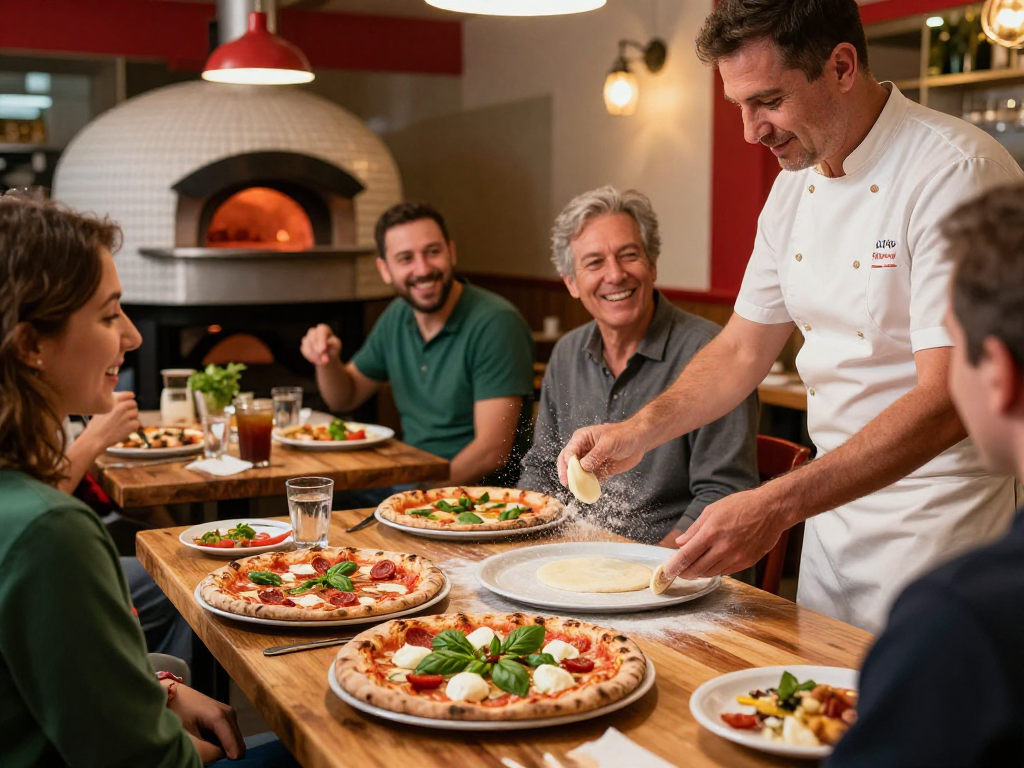
Exploring various pizza styles can elevate the dining experience. From traditional Neapolitan pizzas to Chicago deep-dish, each style offers a unique flavor profile. Specialty pizzas that combine gourmet ingredients can also create memorable dining experiences.
How can restaurants adapt to changing consumer tastes?
Restaurants should remain flexible and responsive to changing tastes by regularly soliciting feedback from customers and analyzing market trends. Creating a culture of innovation in the kitchen can help introduce new flavors and styles, keeping the menu exciting and relevant.
What are the benefits of using artisan ingredients?
Using artisan ingredients can significantly enhance the flavor and quality of pizzas. These high-quality, often locally sourced ingredients create a premium product that appeals to discerning customers. Additionally, promoting artisan sourcing can strengthen a restaurant's brand image.
How can technology improve the pizza dining experience?
Technology can streamline many aspects of the dining experience, from ordering to delivery. Implementing mobile apps for ordering, reliable payment options, and customer feedback systems can improve operational efficiency and enhance customer satisfaction.
What marketing strategies work best for pizza businesses?
Effective marketing strategies include utilizing social media for engagement, building strong community relationships, and offering tailored promotions. Understanding the target audience and leveraging analytics to refine marketing efforts can lead to increased customer engagement and sales.