
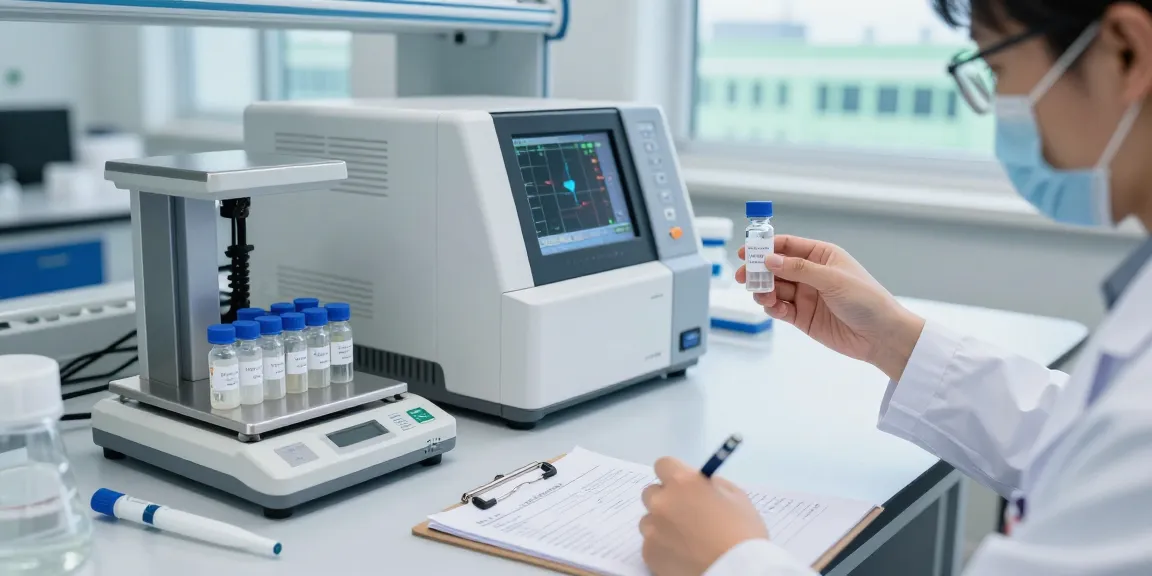
Understanding b7-33 and Its Applications in Research
The world of research peptides is vast and constantly evolving, with b7-33 emerging as a particularly intriguing compound that merits further exploration. Researchers and laboratories are increasingly seeking reliable sources for this peptide, particularly those who are focused on the regenerative and cognitive enhancement benefits associated with it. The growing interest in b7-33 has led to the establishment of suppliers who guarantee quality through rigorous testing and certification processes. For comprehensive insights and options, consider exploring b7-33 for sale.
What is b7-33?
b7-33, a peptide derived from the larger protein sequences, has garnered attention for its potential roles in various biological processes. This peptide is known for its unique sequence, which has been shown to exhibit specific biological activities that may facilitate tissue regeneration and cognitive function improvement. Understanding its structure and function is fundamental for researchers who wish to harness its capabilities in laboratory studies.
Applications of b7-33 in Laboratory Settings
In laboratory settings, b7-33 is primarily utilized in research that focuses on healing and regeneration. It has been investigated for its ability to enhance cell signaling and improve tissue repair mechanisms. This peptide is commonly analyzed in preclinical studies, providing vital data that could lead to therapeutic applications. Some of the key areas where b7-33 has been applied include:
- Regenerative medicine to accelerate healing processes
- Cognitive enhancement research aimed at improving memory and learning
- Investigations into age-related degeneration
Mechanisms of Action and Potential Benefits
The mechanisms through which b7-33 operates are a subject of ongoing research. Initial studies suggest that b7-33 may interact with cellular receptors and pathways that regulate growth and healing. The peptide is believed to influence various cellular processes, leading to potential benefits such as:
- Enhanced neuronal growth and repair
- Improved synaptic plasticity, which is essential for learning
- Reduction in inflammation at injury sites
Regulatory Landscape for Research Peptides in 2026
As the market for research peptides like b7-33 continues to grow, understanding the regulatory landscape becomes increasingly important. Researchers must navigate complex legal frameworks to ensure compliance while conducting their studies.
Legal Considerations for b7-33 Sales
In 2026, the sale of b7-33 and similar peptides is regulated under strict guidelines that categorize these substances as research chemicals. The legal status varies between the United States and Canada, but both jurisdictions permit the sale and purchase of these peptides exclusively for laboratory use. It is crucial for buyers to be aware of the legal ramifications of their purchases to avoid non-compliance.
Comparison with Other Research Peptides
When comparing b7-33 to other research peptides, it is vital to consider both their intended applications and mechanisms of action. For instance, peptides like BPC-157 and TB-500 are often studied for their regenerative properties, while nootropic peptides like Semax focus on cognitive enhancements. Understanding these differences can guide researchers in selecting the appropriate peptides for their specific studies.
Updates on FDA and Health Canada Guidelines
The FDA and Health Canada regularly update their guidelines regarding research peptides. As of 2026, both agencies emphasize the importance of using these compounds solely for research purposes. Any deviation from this use can result in penalties and legal complications. Researchers should stay informed about any regulatory changes that could impact their work.
Quality Assurance in Peptide Sourcing
Quality assurance is paramount when sourcing research peptides, as the integrity of results is directly tied to the quality of the reagents used. As researchers delve into studies involving b7-33, they must ensure they are obtaining high-quality products from reputable suppliers.
Understanding Certificates of Analysis (CoA)
A Certificate of Analysis is a vital document that provides detailed information about a peptide batch, including purity levels and testing results. It is essential for researchers to review this document for every batch of b7-33 they purchase to ensure it meets the highest standards of quality and compliance.
Batch Testing and Validations for b7-33
Each batch of b7-33 should undergo extensive testing to validate its purity and identity. This includes methods such as HPLC (High-Performance Liquid Chromatography) and LC-MS (Liquid Chromatography-Mass Spectrometry), which confirm that the peptide is suitable for research use.
Importance of HPLC Purity in Research
HPLC purity is a critical factor in the usability of peptides like b7-33. A minimum purity of 99% is generally required for reliable research outcomes. Researchers must prioritize suppliers who provide clear HPLC results to ensure their experiments are based on high-quality materials.
Best Practices for Using b7-33 in Research Protocols
As with any research compound, employing best practices when working with b7-33 is essential for achieving accurate and reproducible results.
Proper Reconstitution Techniques
Reconstituting b7-33 correctly is crucial for ensuring its effectiveness. This involves dissolving the peptide in an appropriate solvent, with bacteriostatic water being a common choice. Researchers should follow established protocols to prevent degradation and ensure optimal activity.
Dosage Calculations and Considerations
Dosage calculations are essential when working with b7-33. Researchers should determine the appropriate doses based on experimental designs and previous studies to avoid administering ineffective or harmful amounts. Accurate calculations ensure that the peptide’s effects are measured correctly throughout the research process.
Common Mistakes in Peptide Research
Several common mistakes can occur when working with peptides like b7-33. These include:
- Inaccurate reconstitution methods
- Incorrect dosage calculations
- Failure to review Certificates of Analysis
Being aware of these potential pitfalls can lead to more successful research outcomes.
Future Trends in Research Peptides and b7-33
The field of research peptides is rapidly evolving, presenting both opportunities and challenges for researchers interested in compounds like b7-33.
Emerging Research Areas for b7-33
As studies continue to explore the potential of b7-33, emerging areas of research are likely to include its applications in neuroprotection, anti-aging therapies, and regenerative medicine. These fields hold promise for translating laboratory findings into practical therapeutic options.
Technological Advances in Peptide Synthesis
Advances in peptide synthesis technologies are expected to revolutionize the way compounds like b7-33 are produced. Improvements in solid-phase peptide synthesis (SPPS) methods may lead to more efficient and cost-effective production, enhancing accessibility for researchers.
Predictions for the Market Landscape in 2026
Looking forward, the market landscape for research peptides like b7-33 is anticipated to grow significantly. Increased interest from pharmaceutical companies and academic institutions is likely to drive demand, leading to improved validation practices and stricter regulatory oversight.
What are the benefits of using b7-33?
Utilizing b7-33 in laboratory research can lead to advancements in understanding healing processes and cognitive enhancement. Its specific mechanisms of action provide a unique angle for researchers aiming to explore these areas further.
Is b7-33 safe for laboratory research?
When handled appropriately and sourced from reputable suppliers, b7-33 is considered safe for laboratory research. Adherence to legal guidelines ensures that it is used solely for research purposes.
How do I verify the quality of b7-33 products?
Quality verification can be performed through thorough examination of the Certificate of Analysis, ensuring that the purity and identity testing meets required standards. This step is critical before utilizing b7-33 in experiments.
Where can I find b7-33 for sale?
There are several online suppliers where b7-33 can be obtained for research purposes. It’s essential to look for sellers who provide complete Certificates of Analysis to ensure the quality of the product.
What are the latest studies on b7-33?
Current research on b7-33 focuses on its potential applications in regenerative medicine and cognitive function enhancement. Ongoing studies aim to better understand its efficacy and safety profile, paving the way for future therapeutic uses.